
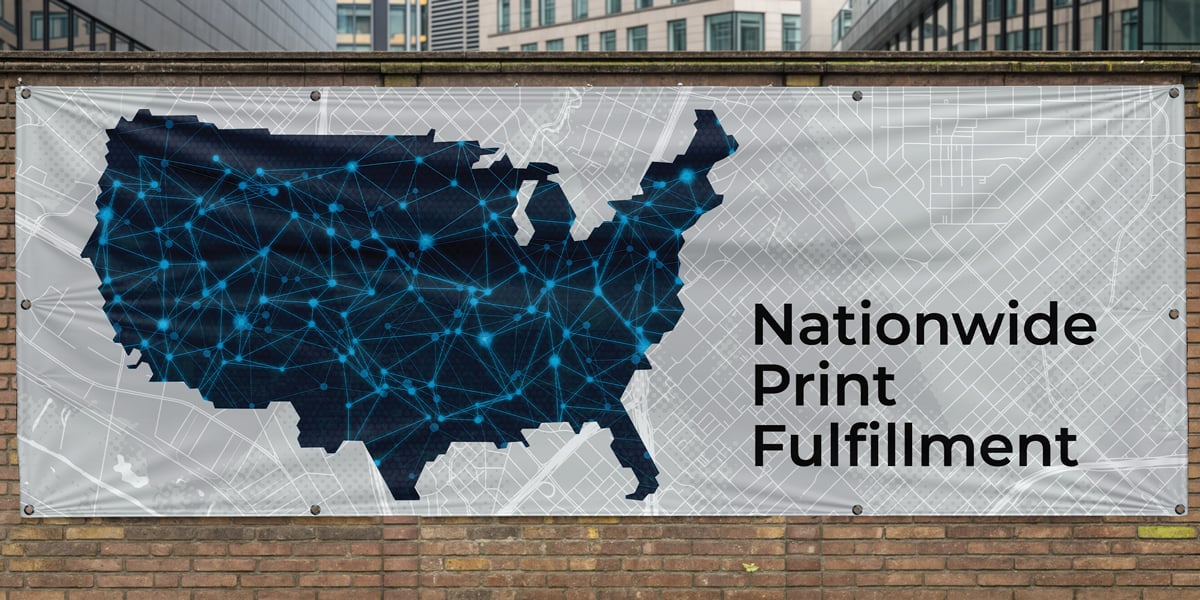
One constraint tends to hold back most print shops and resellers: geography.
Most print shops begin by serving a regional customer base. As customers expand into new markets, supporting locations across state lines becomes more complicated. Delivery windows grow longer, shipping costs increase, and maintaining a consistent customer experience becomes more difficult.
For years, those challenges shaped how far many print businesses could realistically grow. A shop could have excellent service and strong customer relationships but still be limited by the reach of its production and fulfillment capabilities.
However, this is beginning to change.
When searching for a printing partner, print shops and resellers tend to focus on the obvious: quality, turnaround times, and pricing of the finished product. What gets ignored is the infrastructure that makes those results possible, even though the network behind a print order has just as much impact on customer satisfaction as the press that printed it.
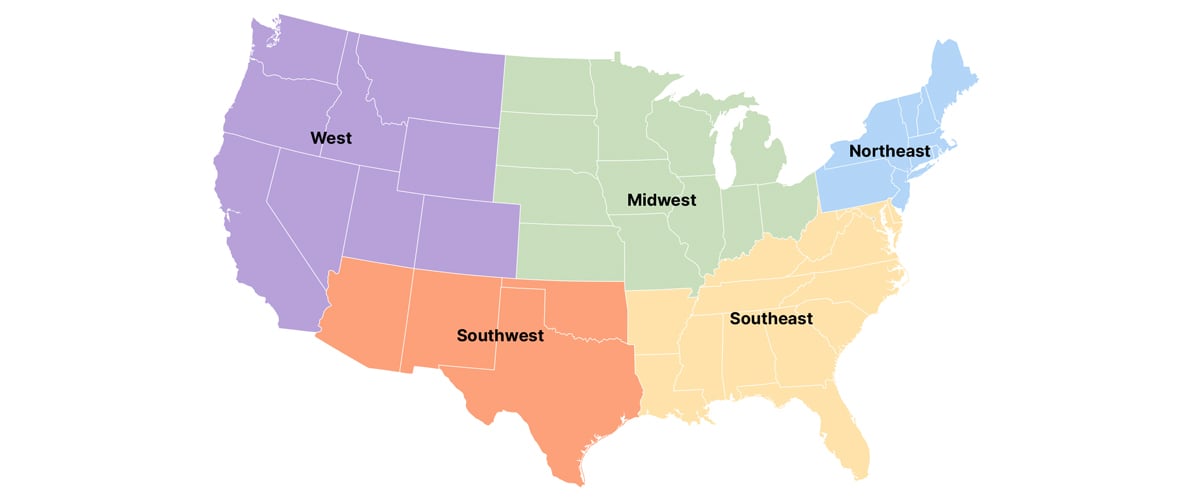
Location plays a crucial role in print fulfillment. A print shop in Ohio may be well-positioned to serve customers throughout the Midwest, but when supporting clients in the South or West, every additional mile adds to cost, time, and the likelihood of transit delays.
Despite these facts, customers have come to expect faster delivery and more predictable fulfillment, and yet, they would also rather work with a single print partner when possible, even when their customers or locations are likely not localized to one area of the country.
That leaves print providers with a very tough challenge: How can they have a broader reach without losing efficiency?
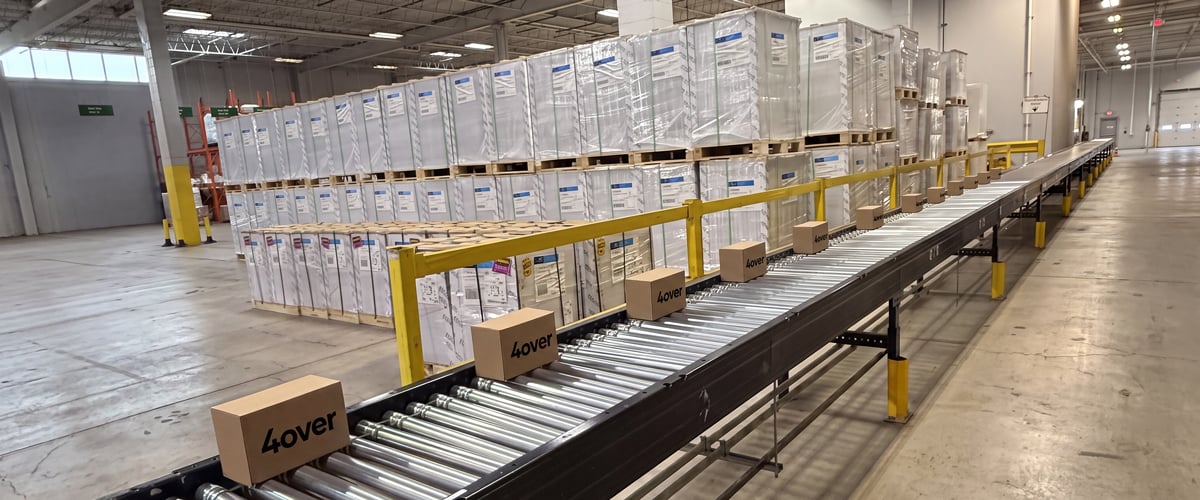
There are many current examples in which industries have found value in reducing the distance between customers and products.
Think of Amazon. Its fulfillment model was built on placing products closer to the people buying them. Distributed print manufacturing follows the same principle: produce work closer to your customer’s front door.4over's manufacturing footprint is one example of how this model has developed within the print industry. Over time, 4over expanded from its California roots into a national manufacturing network that now also includes facilities in Ohio, Florida, New Jersey, Texas, and Arizona. The acquisition of ASAP Printing further strengthened that reach.
Today, 4over operates more than 90 presses across 9 locations. Many customers may not realize how much infrastructure sits behind their orders, but that network affects how efficiently work can be produced, routed, and delivered.
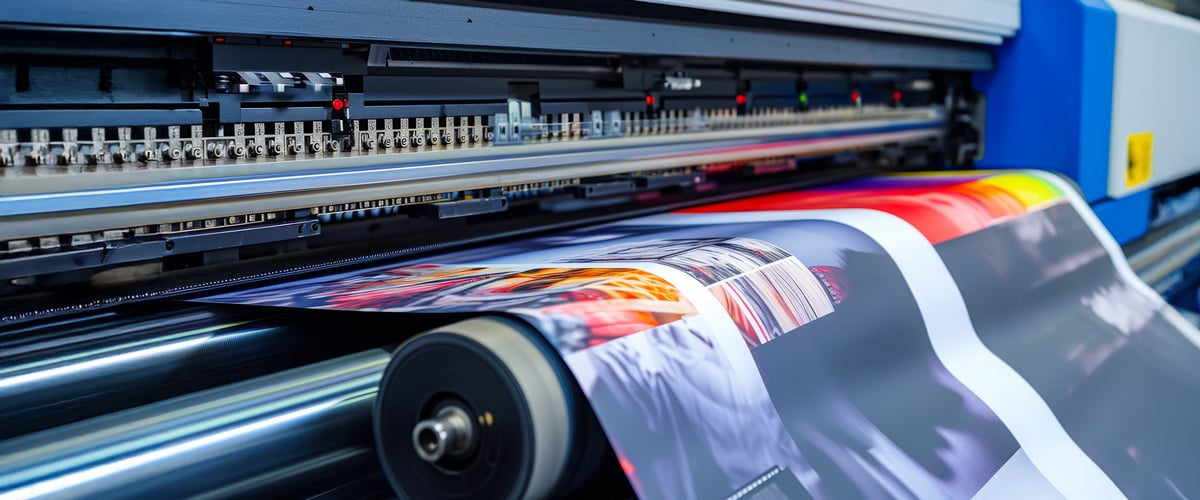
For resellers, there is a practical value in this sort of network. Suddenly, a print provider in the Midwest can serve customers nationally with a consistent customer experience. If that reseller has a customer with multiple locations, the work can be routed through the network based on the final ship-to address, reducing transit times, delays, and freight expenses. It even opens the opportunity for customers to forego shipping entirely and pick their order up at the nearest facility. More importantly, when a print provider relies on a larger production network behind the scenes, their customers receive their order where they need to be, when they need to be there. With that kind of support in a reseller’s corner, smaller and mid-sized shops have a way to compete for larger opportunities.
A distributed network can also help during periods of high demand. Election cycles, seasonal campaigns, and major product launches can put pressure on production schedules. When work can be balanced across multiple facilities, it becomes easier to maintain service levels during peak periods.
Of course, a larger network only works if the customer experience remains consistent. That is one of the biggest concerns when work is produced across multiple facilities.
Customers expect consistent quality, reliability, and service regardless of where work is produced. That only happens when facilities operate within the same production ecosystem.
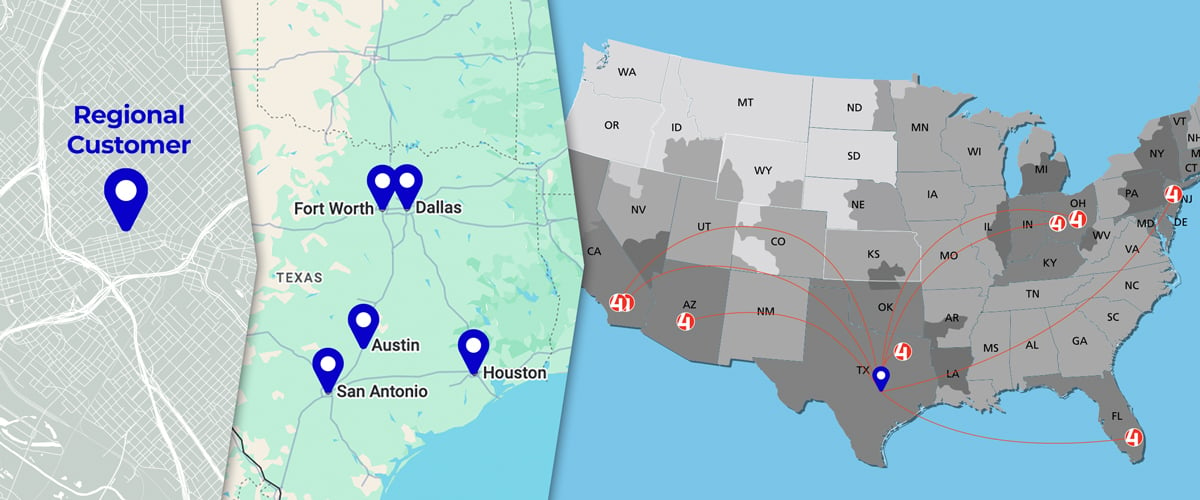
Successful print shops need a way to grow with their customers and expand beyond the restrictions of regional consumers without sacrificing service. That is the real advantage of a large production network. It gives print businesses room to expand without forcing them to rebuild their operations from the ground up, and it provides their customers with the fast delivery that is only possible with the strong production and distribution network behind the scenes.
The products still matter, along with price, quality, and service, but don’t forget about infrastructure. For print shops looking to grow beyond their local market, picking the right trade partner, one with national distribution paired with a standardized production system, can make all the difference.

Pickup hours listed below are from Monday to Friday, excluding holidays. For a list of holidays, please view our Holiday Schedule. City Address Hours Arlington, TX 2112 West Division St. Arlington,...
Read More
What Does Production Turnaround Time Really Mean in Print? Understanding production turnaround time will help you choose the right option for the right job — and get the fulfillment you need at the...
Read More
It can be hard to make business cards feel personal in the digital age. We are so used to communicating through emails and social media that it's easy to forget the importance of a physical card....
Read More